Spinal curvature (scoliosis) correction surgeries
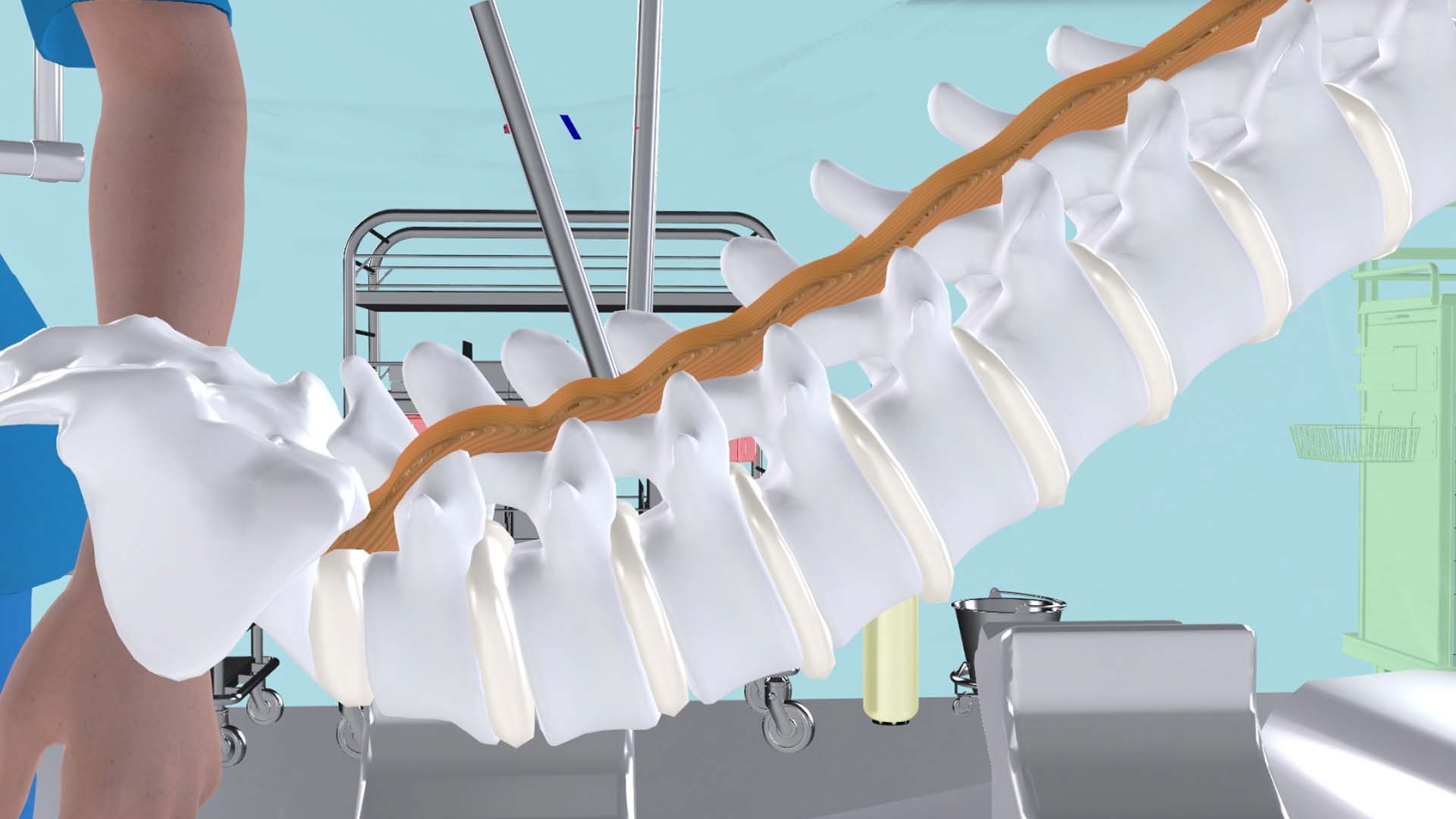
Spinal curvature (scoliosis) correction surgeries
Scoliosis is a common condition characterized by a sideways curvature of the spine, often emerging during puberty. While its origins can vary, most cases are mild. However, without proper attention, severe deformities may lead to significant functional disabilities, impacting lung function and overall well-being.
Brief
Scoliosis is a pathological condition that affects the spine and causes it to deviate (tilt) from one side to another, and also rotate the vertebrae in this direction, so that the spine is not vertical. In this case (S), several curves are also formed under the influence of the body's weight, which sometimes form the shape of a letter Most cases of scoliosis are mild, but some curves get worse as the child grows. Severe bends can lead to disability. Severe spinal curvature can reduce the amount of space within the chest; This makes it difficult for the lungs to work as they should
.webp)
Lorem ipsum dolor sit amet consectetur adipisicing elit. Magni repellat quam asperiores iure pariatur! Maiores adipisci quam sed? Quidem incidunt pariatur odio eaque laudantium fugiat rem iusto labore sequi temporibus..
Any questions? We're here to help
Spinal curvature and its causes
Spinal curvature has many causes The curvature may be secondary to a congenital deformity of the vertebrae, and the curvature appears from birth and then develops with growth. The curvature may be secondary to a disease such as: neurofibromatosis, and the curvature may be associated with a syndrome that includes several diseases, but the most famous type of curvature is spontaneous curvature, and it may affect the child since Birth or at the age of “one year”, “2 or 3”, but the most famous types of spontaneous curvature affect children at the age of “10” years, and surgical intervention is determined based on the patient’s examination and the degree and type of curvature.
Spinal curvature in children and young people
Curvature of the spine affects 4 out of every 100 children in the growing stage, and the curvature may be thoracic, or it may be lumbar, or S may be in the shape of a letter There may be 2 curvatures in the chest and a third curvature in the lumbar, and the curvature varies in treatment according to the degree of curvature and according to the age of the child or young person. Curvature from 10 degrees up to 25 degrees only needs to be followed up with x-rays with exercise, but if the curvature reaches 25 degrees, then 40 degrees, so he needs to wear a special belt that is tailored to the child or young person’s body Curvature after 45 degrees requires surgical intervention, as it continues to increase even after the end of its growth. It is not recommended to delay curvature to high degrees, as as the curvature progresses above 100 degrees, the risk of surgical intervention increases.
Watch itDoes the severity of the curvature affect the risk of surgery?
Certainly, the lower the degree of curvature, the lower the risk of surgical intervention. Likewise, age is a very important factor The younger the patient, the lower the risk The amount of repair will be better. The amount of impact on the lungs is less - Bone softness is at its best. Therefore, we advise you not to neglect your health because your health is important to us
Watch it